African and Latin American Practices
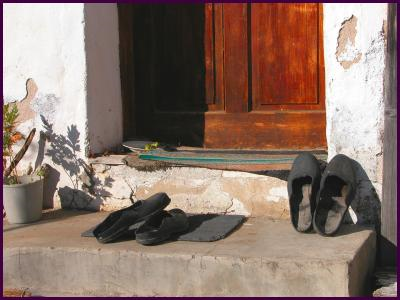
Shoe removal can be tied to traditional beliefs and customs in various African cultures. In some communities, wearing shoes inside someone’s home is considered disrespectful, as it is seen as bringing in dirt or bad energy. The practice also has spiritual undertones in certain African societies, where the home is viewed as a sacred space that should be kept pure.
Latin American practices regarding shoe removal are diverse and often influenced by a mix of indigenous and European customs. In some regions, removing shoes before entering a home is common, while in others, it is not a widespread practice. The reasons can range from practical considerations like cleanliness to more symbolic gestures of respect for the host.
Psychological and Health Reasons

Beyond cultural and religious reasons, there are psychological and health benefits to removing shoes when entering a home. From a hygiene perspective, shoes can carry a variety of germs and dirt from the outside world. Removing them helps to maintain a cleaner living environment, which can be particularly beneficial for households with small children or individuals with allergies.
The act of removing shoes can also contribute to mental well-being. It serves as a physical marker that signifies the transition from the public sphere to the private, helping individuals mentally separate their work or social life from their home life. This can create a sense of comfort and relaxation, which is beneficial for mental health.
Controversies and Criticisms

The practice of shoe removal is not without its controversies and criticisms. One debate centers around the issue of cultural appropriation. As the custom becomes more popular in Western societies, some argue that adopting this practice without understanding its cultural significance can be problematic. However, others contend that cultural practices can be shared respectfully, especially when they promote positive values like cleanliness and respect.
Another criticism focuses on the inconvenience that the practice may cause. For instance, some people find it cumbersome to remove and put on shoes frequently, especially in social settings or during events. Despite these criticisms, the practice continues to be widely observed, indicating its enduring cultural and practical relevance.
Globalization and the Future of Shoe Removal

Globalization has had a complex impact on the practice of shoe removal. On the one hand, blending cultures has led to greater awareness and adoption of the custom in places where it was not traditionally observed. On the other hand, modern lifestyles and the fast pace of urban living have led some to abandon the practice, viewing it as outdated or impractical.
Looking ahead, it’s likely that the practice will continue to evolve. As homes become more multicultural and people become more health-conscious, the reasons for removing shoes may expand beyond cultural and religious norms to include broader considerations like hygiene and mental well-being.
The Bottom Line
Removing shoes before entering a home or sacred space is a rich and varied tradition that spans multiple cultures and generations. From the ancient civilizations that first adopted this custom to the modern societies that continue to observe it, the reasons behind shoe removal are as diverse as they are meaningful. Whether rooted in religious beliefs, cultural values, or psychological and health benefits, this simple act is a universal symbol of respect and reverence for sacred spaces. Understanding the cultural nuances behind shoe removal fosters global respect and opens the door—quite literally—to a world of shared human experience.