
Bulk Buying: Cons
However, bulk buying is not without its challenges. It’s essential to consider potential disadvantages, such as the requirement for extra storage space and the risk of waste due to expiration or reduced quality.
Storage And Space

One of the primary challenges with bulk buying is the need for ample storage space. Larger packages and quantities necessitate more room, which might pose a problem, particularly for those living in small apartments or houses with limited storage capacity. Even when space isn’t a major concern, organizing large quantities of items effectively can be a daunting task, leading to clutter and potential difficulties in tracking what’s on hand and what’s not.
This issue extends beyond mere inconvenience. If items aren’t stored properly, it can lead to spoilage or damage, effectively negating the savings achieved through bulk purchases. Therefore, before venturing into bulk buying, it’s crucial to assess storage capabilities realistically and plan purchases accordingly.
Waste And Expiration
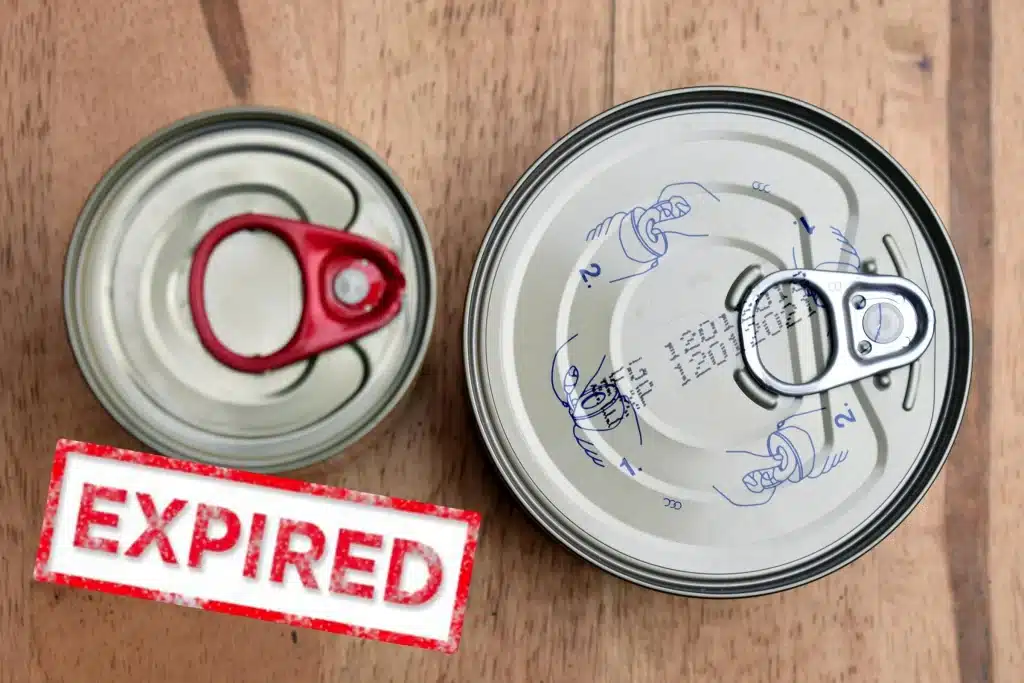
Another potential downside to bulk buying is the risk of waste. When larger quantities of perishable goods are purchased, there’s a heightened risk that some of the items may reach their expiration date before they’re used. This risk is particularly relevant for food items, which may spoil if not consumed within a certain timeframe, resulting in unnecessary waste.
In addition to perishable goods, non-perishables can also pose problems. Some products, like certain cleaning supplies or personal care items, may lose their effectiveness over time. If these items aren’t used within a reasonable period, their quality can degrade, again leading to potential waste. Therefore, before making bulk purchases, it’s essential to consider the usage rate and shelf life of the products.
Initial Cost And Budget

While bulk buying can lead to substantial savings in the long run, the initial cost can be high. Purchasing large quantities of items at once requires a significant upfront investment, which can strain budgets, particularly for those living paycheck to paycheck. The cost can be particularly steep when buying expensive items in bulk, such as electronics or appliances.
Furthermore, managing a budget can become challenging when large sums are spent on bulk purchases at once. It requires careful financial planning to ensure that essential items aren’t overlooked due to a significant portion of the budget being allocated to bulk purchases. Balancing immediate needs and long-term savings becomes a critical part of the budgeting process when choosing to buy in bulk.
The Bottom Line
In conclusion, bulk buying offers a host of advantages, from economic savings and environmental benefits to convenience and preparedness. However, it also carries potential challenges like the need for ample storage, the risk of waste, and the initial financial outlay. Therefore, consumers need to weigh these factors carefully against their personal situations and needs. Whether bulk buying is beneficial or not ultimately depends on an individual’s circumstances, including their financial capacity, storage space, and consumption habits. Making informed decisions is key to leveraging the potential of bulk buying while mitigating its possible pitfalls.


