
Seated Exercises For Swollen Feet

One of the great things about exercises for swollen feet is that many can be done while seated, making them accessible for people of all fitness levels. Exercises such as ankle pumps, heel-toe rock, and seated calf raises can be incredibly effective. Ankle pumps are as simple as moving the foot up and down repeatedly, while heel-toe rocks require shifting your weight from the heel to the toe. Seated calf raises involve lifting the heels while keeping the toes on the ground, engaging the muscles in the calf and foot.
Determining the frequency and duration of seated exercises can depend on individual comfort levels and medical advice. However, making these exercises a part of your daily routine can provide noticeable relief from swelling. These low-impact exercises are not just effective for immediate relief but can also improve overall foot health when performed consistently over time.
Standing Exercises For Swollen Feet
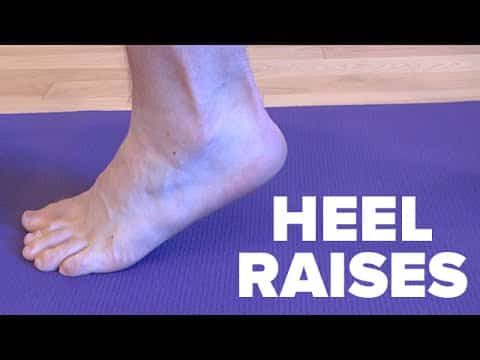
For those who can handle a bit more intensity, standing exercises offer a greater range of motion and more challenging options. Exercises like tip-toe standing, leg lifts, and squats engage multiple muscle groups, improving overall stability and strength. Tip-toe standing simply involves raising yourself onto the balls of your feet repeatedly, while leg lifts work on the calf and thigh muscles by lifting one leg at a time.
Squats and standing calf raises round out a comprehensive standing exercise regimen. A squat is performed by bending at the knees while keeping the back straight, effectively engaging the thighs, calves, and glutes. Standing calf raises are similar to their seated counterparts but involve lifting the entire body weight on the toes. As with seated exercises, it’s crucial to start with a comfortable number of repetitions and sets, gradually increasing the intensity to match your capability and needs.
Yoga Poses For Swollen Feet

Yoga offers a holistic approach to wellness, and some poses can be particularly effective for swollen feet. The Downward Dog position, for example, elevates the feet and allows gravity to assist in fluid drainage. Legs Up the Wall is another pose that reverses the blood flow, aiding in reducing swelling. Other poses, like the Hero and Butterfly, offer gentle stretching and muscle engagement, contributing to better circulation.
Practicing yoga not only offers specific benefits for swollen feet but also enhances overall well-being. Incorporating these poses into a regular yoga routine can increase flexibility, improve blood flow, and cultivate mindfulness, all of which contribute to better foot health. However, it’s essential to approach yoga with caution, especially if you’re a beginner. Consult a qualified yoga instructor to ensure that you’re performing the poses correctly and effectively for maximum benefits.
Water-Based Exercises

Thanks to water’s buoyant properties, water-based exercises offer a unique environment for tackling swollen feet. When submerged, the body experiences less gravitational pull, reducing the pressure on swollen areas. Exercises like water walking, leg swings, and treading water provide effective low-impact options for those suffering from swollen feet. The natural resistance of water also adds a strengthening component, making these exercises doubly effective.
The benefits of water-based exercises extend beyond immediate relief from swelling. Because these exercises are low-impact, they are ideal for individuals who might find regular exercises too strenuous due to arthritis, obesity, or other health conditions. Additionally, the cooling effect of water can provide extra comfort, making it a favorable option for many.
When To Exercise

Deciding the optimal time to exercise can vary from person to person, but some general recommendations can be made. Morning workouts, for instance, can offer a fresh start to the day and might help prevent swelling that could occur later on. Afternoon breaks for quick exercises can be beneficial, too, especially for those who have sedentary jobs and may experience swelling from prolonged sitting or standing.
Evening exercise sessions can be beneficial for winding down and preparing the body for rest, aiding in better sleep quality. Regardless of when you choose to exercise, consistency is key. Establishing a regular routine and sticking to it will provide the best results over time. Find a time that aligns with your schedule and body’s natural rhythms for maximum effectiveness.
Find The Right Exercise To Relieve Your Swollen Feet!
Experiencing swollen feet can be more than a mere inconvenience; it can significantly impact the quality of life. However, there’s good news: a well-structured exercise routine can offer relief and bring about lasting improvements. This guide has explored a diverse range of exercises—from seated and standing options to yoga and water-based activities—that can cater to individual needs and preferences. It’s crucial to consult healthcare professionals for personalized advice, especially if the condition persists. So why wait? Embrace exercise as a natural remedy and take that crucial step towards better foot health today!


