

Things in Your Home That Have an Expiration Date You Never Knew About
From safety equipment to everyday essentials, discover the hidden shelf life of common household items that could affect your health and home safety.
Most of us are diligent about checking expiration dates on food items, but the reality is that numerous household items have an expiration date that goes completely unnoticed. From the smoke detector protecting your family to the sunscreen you apply before heading outdoors, many everyday products lose their effectiveness over time, potentially compromising your safety, health, and comfort. Understanding the hidden shelf life of these common items can help you maintain a safer, more efficient home while avoiding the frustration of products that simply no longer work as intended. This comprehensive guide reveals the surprising expiration timelines of things throughout your living space that deserve closer attention.
Smoke Detectors and Carbon Monoxide Alarms Need Regular Replacement
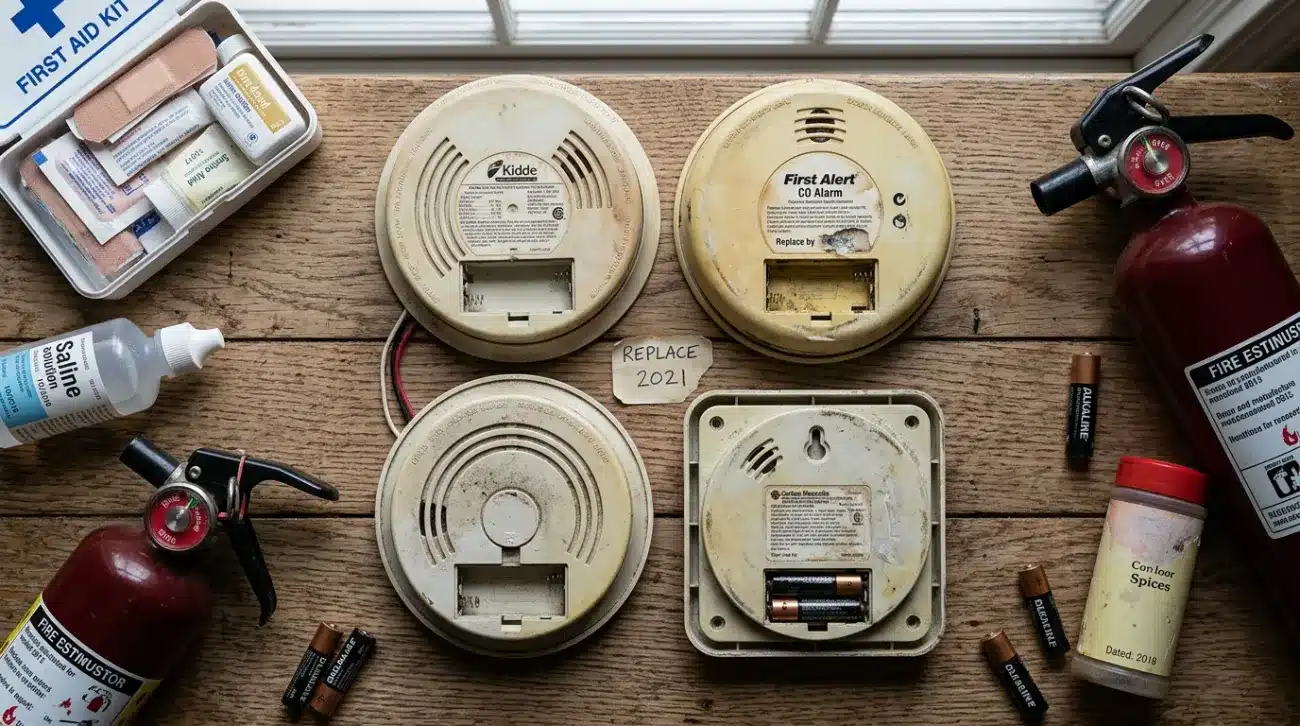
Smoke detectors are among the most critical safety devices in any home, yet many homeowners are unaware that these life-saving devices have a finite lifespan. According to fire safety organizations, smoke detectors should be replaced every ten years from the date of manufacture, regardless of whether they appear to be functioning properly. The sensors inside these devices degrade over time due to dust accumulation, environmental factors, and general wear, which can significantly reduce their ability to detect smoke particles effectively.
Carbon monoxide detectors follow a similar pattern but typically have a shorter lifespan, generally requiring replacement every five to seven years. The electrochemical sensors that detect the presence of this odorless, colorless gas gradually lose their sensitivity, potentially failing to alert you to dangerous levels of carbon monoxide in your home. Most manufacturers print the manufacture date on the back of the device, making it relatively straightforward to determine when replacement is necessary.
Safety Device Check
Testing your smoke detectors monthly by pressing the test button only confirms the alarm works, not that the sensor can still detect smoke. For optimal protection, replace batteries annually and mark the manufacture date on your calendar to ensure timely replacement of the entire unit.
Sunscreen and Skincare Products Lose Effectiveness Over Time
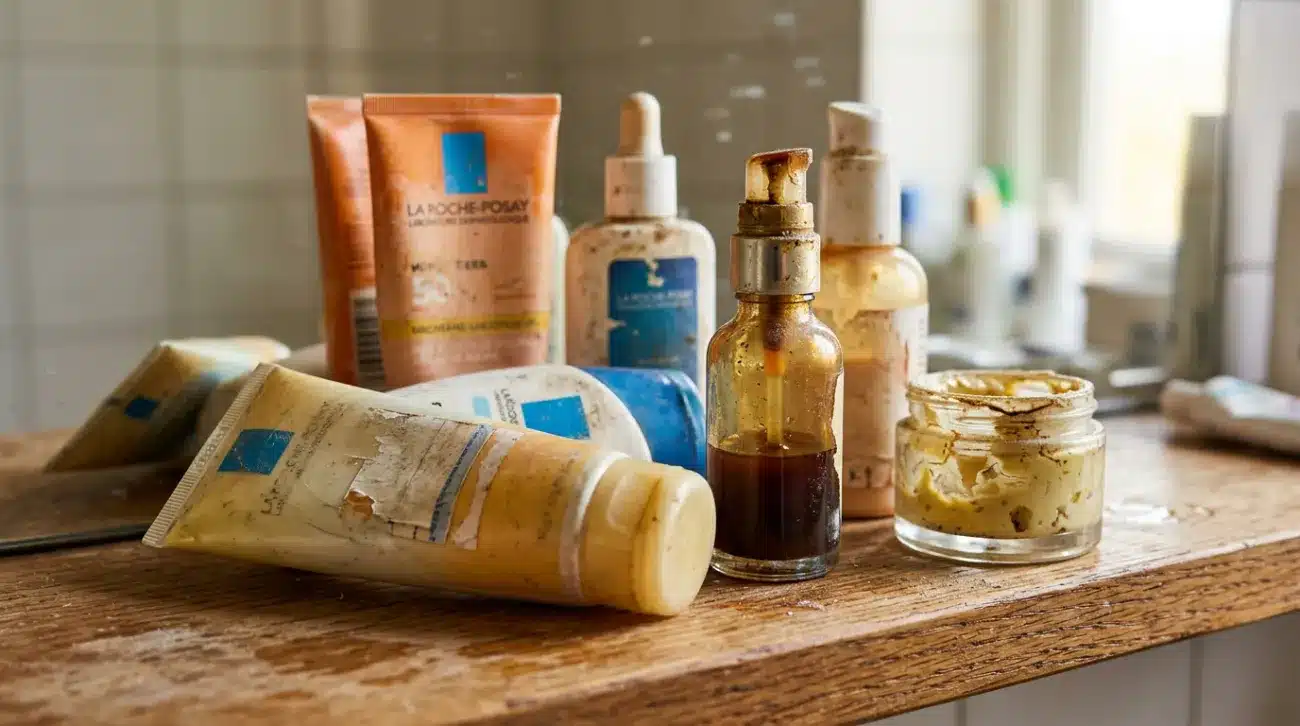
Sunscreen is one of the most commonly overlooked products when it comes to expiration concerns. The active ingredients that protect your skin from harmful ultraviolet rays break down over time, reducing the product’s effectiveness even before the printed expiration date if stored improperly. Exposure to high temperatures, such as leaving sunscreen in a hot car or by a pool, can accelerate this degradation significantly. Most sunscreens maintain their stated SPF protection for approximately three years from manufacture, though this timeline shortens considerably once the container has been opened.
Other personal care items follow similar patterns of degradation. Mascara, for instance, should be replaced every three months due to bacterial growth concerns from repeated exposure to air and eye contact. Liquid foundations typically last about twelve months after opening, while powder-based cosmetics can remain effective for up to two years. Skincare products containing active ingredients like retinol or vitamin C are particularly susceptible to oxidation and may lose potency within six months to a year of opening, even when stored correctly in cool, dark environments.
Typical Shelf Life of Personal Care Products After Opening
Source: General cosmetic industry guidelines; individual products may vary
Cleaning Products and Disinfectants Have Limited Potency
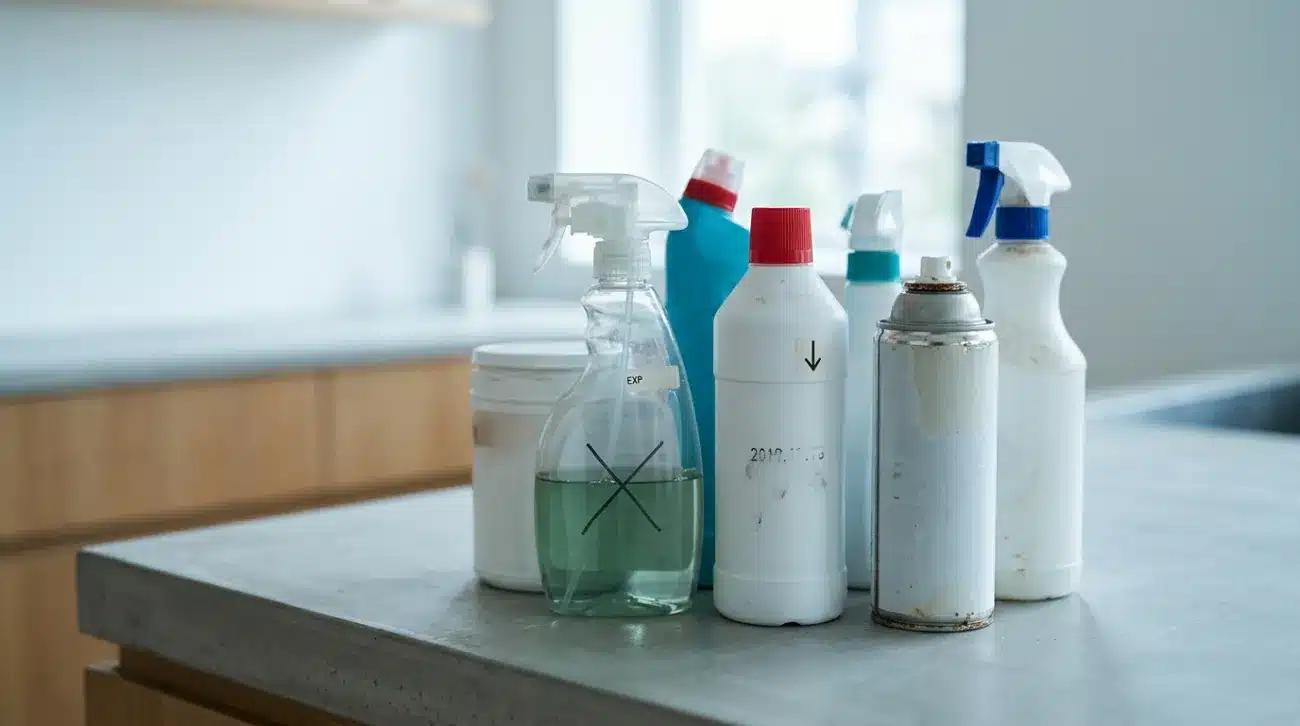
The cleaning products stored under your sink or in your laundry room do not maintain their cleaning power indefinitely. Bleach, one of the most commonly used household disinfectants, begins losing its effectiveness approximately six months after the bottle is opened and can degrade even faster when exposed to heat or sunlight. Unopened bleach typically maintains its potency for about one year from the manufacture date, after which its ability to kill bacteria and remove stains diminishes significantly.
Disinfectant sprays and wipes also have shelf lives that many consumers overlook. These products are registered with regulatory agencies based on their ability to kill specific pathogens, and this effectiveness is only guaranteed for a certain period. Most disinfectants remain effective for one to two years when stored properly, though once opened, exposure to air can accelerate the breakdown of active ingredients. Laundry detergents, particularly liquid formulations, can begin to separate or lose cleaning power after about six months to a year of opening, while powdered detergents generally last longer due to their more stable formulation.
Kitchen ItemsSpices and Pantry Staples Decline in Quality and Flavor
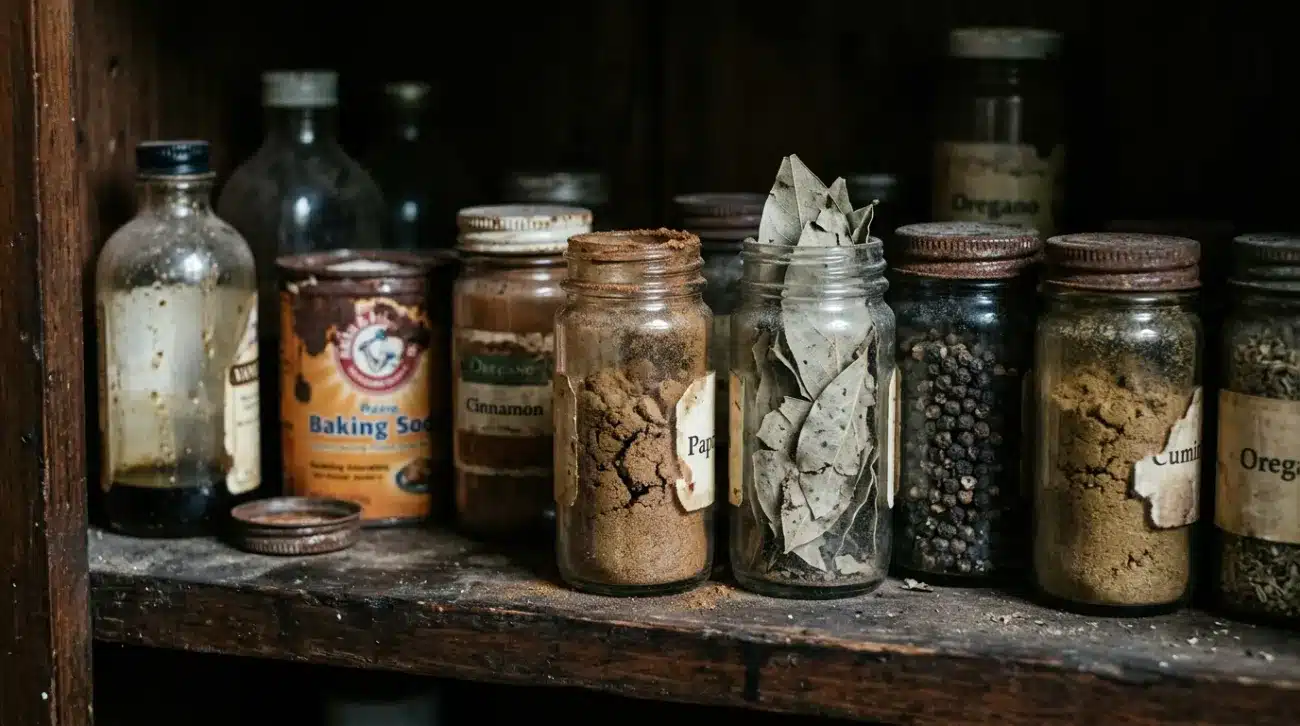
While dried spices and herbs rarely become unsafe to consume, they certainly lose their potency and flavor over time, rendering your culinary efforts less flavorful than intended. Ground spices typically maintain optimal flavor for about two to three years, while whole spices can last somewhat longer due to their intact cellular structure protecting the essential oils responsible for their taste and aroma. Leafy herbs like oregano, basil, and thyme tend to lose their punch even faster, often becoming noticeably less aromatic within one to two years.
Other pantry staples have expiration considerations that extend beyond the printed date on the package. Cooking oils, particularly those with higher polyunsaturated fat content like vegetable and canola oil, can become rancid within several months of opening due to oxidation. Olive oil, while relatively stable, is best used within a year of purchase for optimal flavor. Flour, especially whole wheat varieties, contains oils that can go rancid, typically maintaining quality for about six to eight months in the pantry or up to a year when stored in the freezer.
Ground Spices
Replace every two to three years for optimal flavor and aroma in your cooking.
Cooking Oils
Use within three to six months after opening to avoid rancidity.
Baking Powder
Loses leavening power after six to twelve months once opened.
Honey
While it never truly spoils, quality and flavor peak within two years.
Pillows and Mattresses Accumulate Allergens and Lose Support
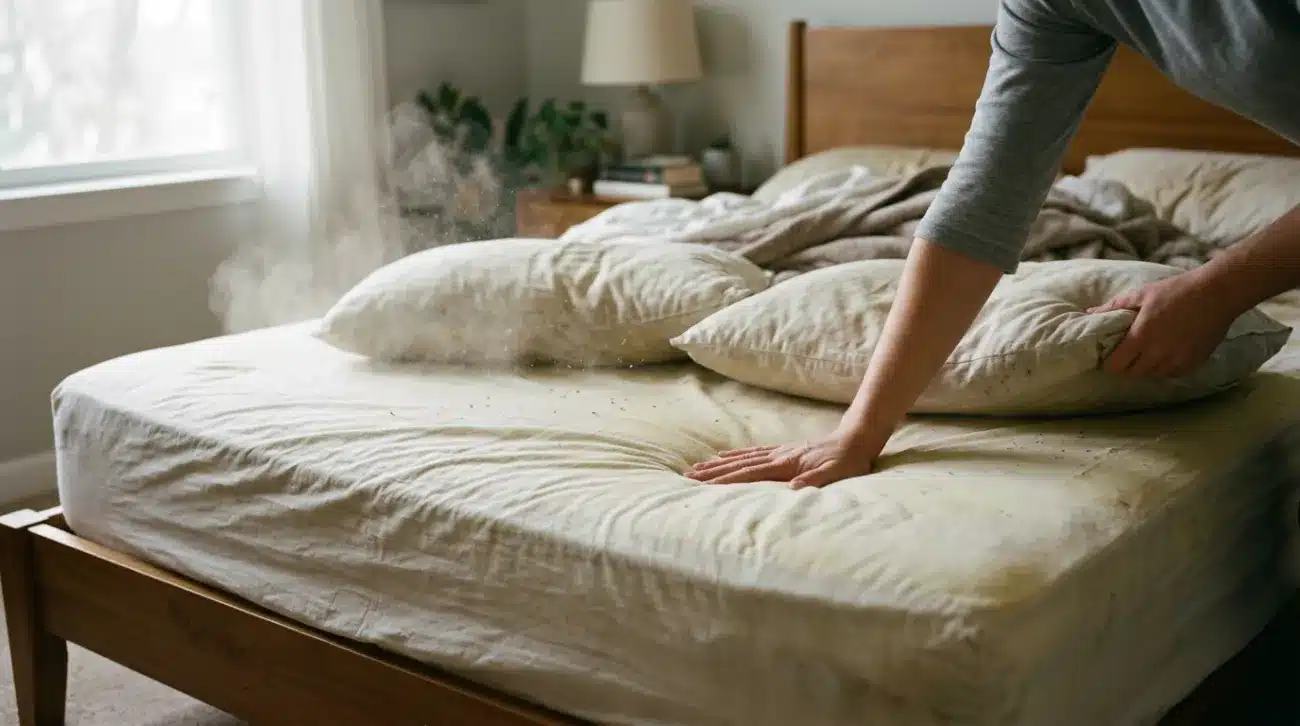
The pillow you rest your head on each night accumulates dead skin cells, dust mites, body oils, and other allergens over time, even with regular washing of pillowcases and pillow protectors. Most sleep experts recommend replacing pillows every one to two years, depending on the material and construction. Memory foam pillows may last slightly longer, while down and synthetic fill pillows tend to lose their loft and supportive properties more quickly. A simple test involves folding your pillow in half; if it does not spring back to its original shape, replacement is overdue.
Mattresses represent a larger investment but also have a finite useful life, typically ranging from seven to ten years depending on the quality and type. Over time, the materials compress and lose their ability to provide proper spinal support, potentially contributing to poor sleep quality and back discomfort. Mattresses also accumulate allergens and can develop colonies of dust mites that thrive in the warm, humid environment created by body heat during sleep. Rotating your mattress regularly and using a quality mattress protector can extend its useful life, but eventually, replacement becomes necessary for optimal sleep hygiene and physical comfort.
The average person sheds approximately 1.5 grams of skin cells daily, much of which ends up in bedding. Over a two-year period, a pillow can increase in weight significantly due to accumulated dust mites and their waste products.


