
Structural Damage

Accumulated debris and moisture within air ducts present a threat that extends beyond health concerns—they are a silent assailant against the integrity of the HVAC system and the building. Over time, the excess weight and corrosiveness of these accumulants can lead to structural damage. Ducts may begin to warp or crack, releasing conditioned air and allowing unfiltered air to enter the circulation, reducing the overall efficiency of the HVAC system and compromising the indoor environment.
The financial implications are just as significant. Early signs of damage often go unnoticed until they escalate into severe, often costly repairs. The insidious nature of this issue means it silently drains financial resources, while the reduced HVAC efficiency leads to increased energy consumption and utility bills. It’s a silent crisis that unfolds in the shadows, often realized too late and demanding extensive repairs or replacements.
Decreased Efficiency
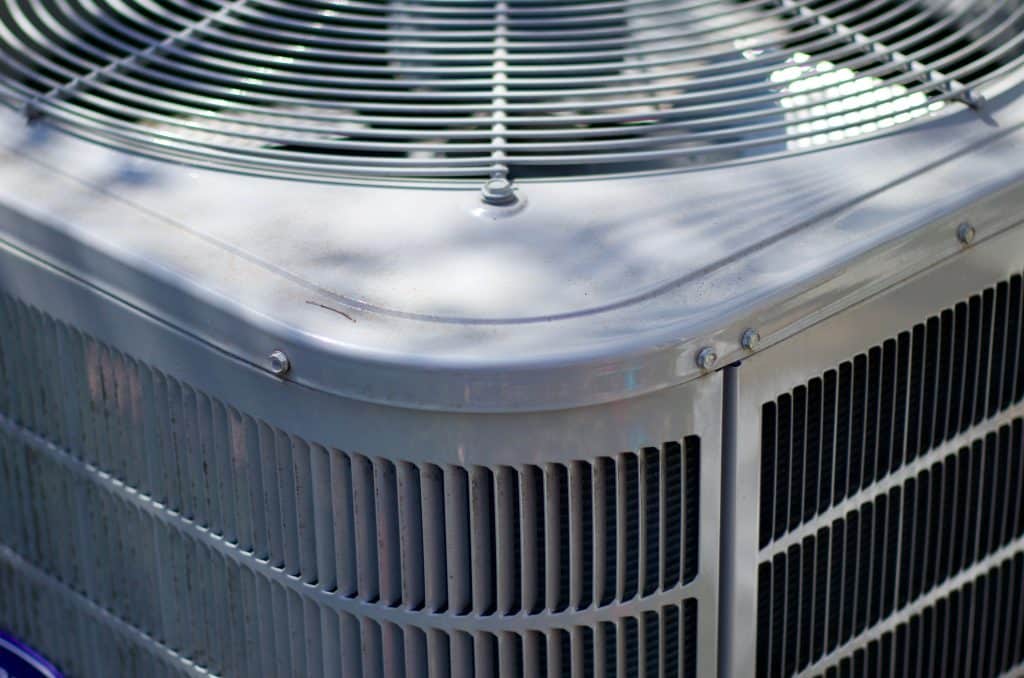
Dirty air ducts become a bottleneck for HVAC systems, obstructing the free flow of air and forcing the system to work harder to maintain optimal temperatures. The stress on the system is reflected in its decreased efficiency, marked by inconsistent temperatures, and the unsettling sound of an overworked mechanism. Every cycle of operation becomes not just a strain on the mechanical components but a step closer to their inevitable wear and breakdown.
The environmental impact of decreased efficiency is often overlooked. Higher energy consumption not only leads to inflated utility bills but also contributes to a larger carbon footprint. In an era where sustainability is not just encouraged but essential, the importance of maintaining clean air ducts for optimal HVAC efficiency becomes a critical aspect of both individual and collective responsibility towards environmental conservation.
Fire Hazards

An often overlooked danger of dirty air ducts is the elevated risk of fires. Accumulated debris, especially highly flammable materials like lint and dust, can become potential fuel for fires. An innocent spark from a faulty wire or an overheated component within the HVAC system can ignite these materials, leading to a devastating blaze. Such hazards lurk silently, often realized in hindsight when the damage is already done and safety is compromised.
Homeowners and property managers need to be vigilant. Regular inspections and cleaning of air ducts are essential to mitigate these risks. Ensuring that these conduits are free from accumulated debris not only enhances air quality but significantly reduces fire hazards. It is a dual benefit that underscores the indispensability of maintenance, a small yet impactful step towards ensuring the safety of inhabitants and the integrity of properties.
Prevention And Maintenance

Prevention and maintenance of air ducts are paramount for ensuring their functionality and safety. Regular inspections are essential for timely identification of accumulations and potential hazards. A combination of professional services and basic DIY cleaning practices can keep these vital pathways clean and efficient. It’s a proactive approach that curtails the development of health risks, structural damage, and inefficiencies in HVAC systems.
While professional cleaning ensures a thorough and deep cleanse, awareness and education about simple, regular maintenance practices are equally crucial. Residents and property managers should be informed about the signs of dirty ducts and the basic cleaning practices that can be employed for maintenance. These efforts not only ensure optimal air quality but contribute significantly to the longevity and efficiency of HVAC systems, marking a holistic approach to indoor environmental management.
The Bottom Line
In uncovering the hidden dangers associated with dirty air ducts, the imperative to adopt a proactive approach to their maintenance is clear. The myriad of risks, ranging from health concerns to structural damage and fire hazards, can be effectively mitigated with regular inspections and cleaning. A collaboration of professional services and individual responsibility is instrumental in this quest. Each cleaned duct not only elevates the quality of indoor air but stands as a testament to the silent, yet profound, victory over the unseen enemies that lurk within, promising a sanctuary of health, safety, and comfort.


