

Pets on the Bed (or in the Room)

Letting pets sleep in the bed feels cozy, but the comfort often comes at the cost of quality rest. Pets shift, scratch, and make small noises throughout the night that cause constant micro-awakenings. Even if these don’t fully wake someone up, they prevent deep, restorative sleep stages. Over time, these tiny interruptions add up to serious exhaustion.
Pet hair and dander can also impact breathing, even for those without noticeable allergies. The air becomes heavier, and sleepers may find themselves congested or sneezing more than usual. Giving pets their own designated space nearby—like a bed on the floor—can help everyone sleep better. Affection doesn’t have to mean sacrificing rest.
Too Many Pillows and the Wrong Bedding

Beds stacked with pillows may look luxurious, but they can easily turn into a recipe for overheating and discomfort. Excess pillows crowd the space and limit how freely someone can move during the night. Instead of promoting support, they can encourage awkward sleeping positions that leave necks and backs sore. Decorative layers, while stylish, often come at the expense of function.
Certain fabrics trap heat and sweat, especially synthetic materials and heavy comforters. Bedding that doesn’t breathe well keeps the body too warm, interrupting the temperature drop needed for deep sleep. A cooler environment helps regulate the body’s internal clock. Investing in breathable, minimalist bedding does more for sleep than any fancy throw pillow ever could.
Work Desks and Home Office Gear

Blending the bedroom with a home office is one of the most common modern sleep disruptors. The sight of laptops, to-do lists, or paperwork tricks the brain into thinking it’s time to be productive—not restful. This mental overlap causes tension that doesn’t fade just because the lights go out. Even when work is done, the mind stays “on” if the workspace remains visible.
Work gear also adds noise, whether it’s the hum of a printer or the glare of a blinking modem light. The bedroom becomes another extension of daytime stress rather than an escape from it. Creating a boundary, even with something as simple as a curtain or closed cabinet, helps separate day mode from night mode. The clearer that division, the easier it is to fall—and stay—asleep.
Harsh Lighting and the Wrong Bulbs

Lighting is often overlooked, but it plays a powerful role in sleep hygiene. Overhead LEDs or daylight-mimicking bulbs send confusing signals to the brain at night. Bright white light tells the body it’s still daytime, delaying the internal shift toward sleep. Many people keep their bedroom lighting far too intense for an evening environment.
Warm, soft lighting helps the body unwind and prepares it for rest. Swapping in warm-toned bulbs or adding dimmers to lamps can instantly make a room feel more peaceful. It’s not about complete darkness right away, but rather guiding the body slowly toward it. Thoughtful lighting design sets the tone for quality sleep long before the first yawn.
Top Sellers
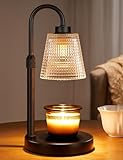
- 【Flame-Free & Eco-Safe Candle Warmer】Unlike traditional candles, our candle lamp warmer uses…
- 【Dimmable Candle Warmer Lamp with Timer】Our controller features four brightness settings and a…
- 【Height Adjustable Wax Warmer for Scented Wax】Simply twist and adjust to adapt this Candle…
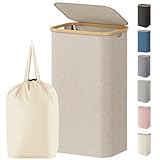
- Essential Organizer: Store dirty clothes, blankets, shoes and more with this laundry hamper. With…
- Removable Inner Bag: Secured on all sides by easy-snap olive buckle system, this dirty clothes…
- Large Capacity: Measuring 16.9″(43cm) x 12.6″(32cm) x 29.5″(75cm) and with a capacity of 105L, this…

- 11 POCKETS FOR MORE STORAGE: Includes 5 large clear-front pockets and 6 side mesh pockets to…
- LARGE CLEAR-FRONT POCKETS: Each main pocket measures about 15″L x 6.7″W x 6.5″H and fits tall items…
- STAYS UPRIGHT WITH LESS TILTING: Reinforced stitching between side pockets and support panels in the…
Rest Easy by Letting Go of What Doesn’t Belong
The bedroom isn’t just a place to end the day—it sets the tone for the next one. Small, seemingly harmless items create tension, restlessness, and overstimulation that rob the body of true rest. Removing these sleep disruptors doesn’t take a total makeover, just a willingness to rethink what belongs in a restful space. The difference between a restless night and a refreshing one often comes down to what’s quietly surrounding the bed. Sleep improves dramatically when the room is stripped of what doesn’t serve it.
Last update on 2026-10-20 / Affiliate links / Images from Amazon Product Advertising API


