
Temporary Fixes for Minor Leaks
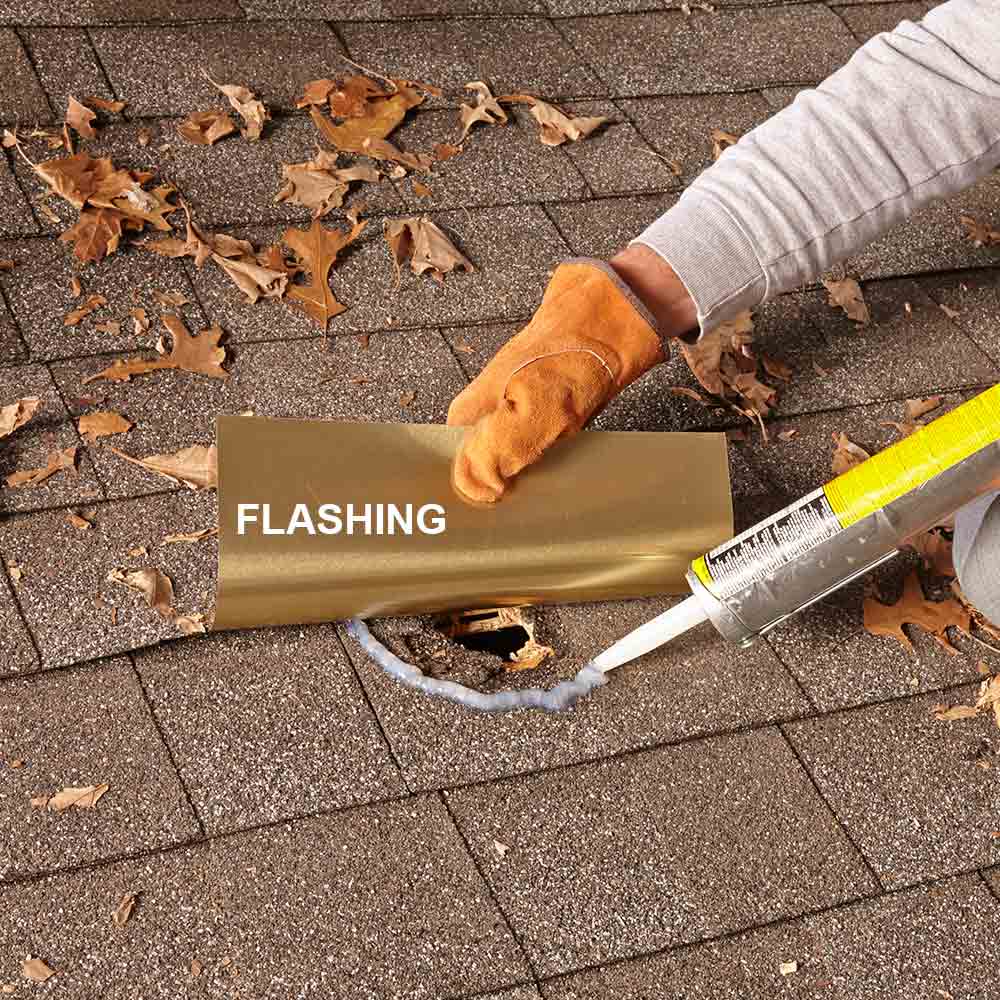
When a leak is identified, a temporary fix can help minimize damage until a more permanent repair is made. For a quick fix, homeowners can use roofing tape or a waterproof sealant to cover the leaky area. It’s important to apply these materials on a dry and clean surface for optimal adherence. If the leak is due to a puncture or a small hole, a piece of metal flashing can be secured over the area as a temporary patch.
However, these fixes are not long-term solutions and should only be used to prevent immediate water damage. Homeowners should plan for a more durable repair as soon as possible. It’s also vital to monitor the temporary fix, especially during rain, to ensure it holds up and doesn’t lead to further damage. Remember, while these temporary solutions can be effective, they should not replace professional repairs.
Long-Term Repair Solutions

For long-term repairs, the approach depends on the nature and severity of the leak. If the leak is due to a few damaged shingles, replacing them might suffice. Homeowners with some DIY skills can undertake this, but it’s important to follow proper procedures to avoid damaging surrounding shingles. When replacing shingles, it’s also a good opportunity to inspect and replace damaged underlayment or flashing.
In cases where the leak is more extensive or if the homeowner is not comfortable with DIY repairs, hiring a professional is advisable. Roofing professionals can assess the overall condition of the roof, fix the leak effectively, and identify any other potential issues. They can also advise on whether a repair or a full roof replacement is more cost-effective in the long run. Professional repairs ensure that the roof is restored to a condition that can withstand weather and time.
Preventative Maintenance

Regular maintenance is key to preventing roof leaks before they start. Homeowners should conduct routine roof inspections, ideally twice a year and after severe weather events. These inspections should include clearing debris from the roof surface, ensuring gutters and downspouts are free of blockages, and checking for damaged or missing shingles. Additionally, inspecting and sealing around roof penetrations like vents and chimneys can prevent leaks around these vulnerable areas.
Another aspect of preventative maintenance is addressing environmental factors that can harm the roof. Trimming overhanging tree branches can reduce debris accumulation and prevent damage from falling limbs. Ensuring proper attic ventilation and insulation is also crucial, as this can prevent ice dam formation in colder climates, which often leads to roof leaks. By adhering to these preventative measures, homeowners can significantly extend the life of their roof and avoid the inconvenience and cost of dealing with leaks.
When to Replace vs. Repair

Determining whether to repair or replace a roof depends on several factors, including the age of the roof, the extent of the damage, and the cost implications. If the roof is near the end of its expected lifespan, which is typically 20-30 years for asphalt shingles, replacement might be more economical in the long run. Frequent leaks or extensive damage are also indicators that a roof replacement may be necessary.
On the other hand, if the roof is relatively new and the damage is localized, repairs might be the best course of action. Cost is another important consideration; while repairs are generally less expensive in the short term, ongoing maintenance and repeated fixes can add up. Homeowners should weigh these factors and consult with a roofing professional to make an informed decision. Ultimately, the choice between repair and replacement should be based on ensuring the long-term health and safety of the home.
Securing Your Home’sHome’s First Line of Defense
It’s clear that understanding how to spot and address minor leaks in your roof is essential for maintaining the structural integrity and safety of your home. Regular inspections, prompt identification of issues, and appropriate interventions—whether temporary fixes or professional repairs—are crucial steps in managing roof health. Remember, a small leak can quickly escalate into a major problem if ignored. By staying vigilant and proactive about roof maintenance, homeowners can protect their homes from potential damage, ensuring peace of mind and the longevity of their roofs.


