

Over-the-Counter Medications Lose Potency After Expiration

The expiration dates on medications exist for important reasons related to both safety and effectiveness. Pharmaceutical companies are required to test their products and guarantee potency until the printed expiration date under proper storage conditions. After this date, the chemical composition of medications can change, potentially reducing their therapeutic effect or, in rare cases, producing harmful breakdown products. Pain relievers, antihistamines, and other common over-the-counter medications typically maintain effectiveness for two to three years from manufacture when stored properly.
Liquid medications, including cough syrups and liquid pain relievers for children, tend to degrade faster than their tablet or capsule counterparts and should be discarded promptly after their expiration date. Eye drops and contact lens solutions are particularly time-sensitive once opened, as exposure to air and repeated contact with the applicator tip can introduce bacteria. Most eye drop manufacturers recommend discarding products within one to three months of opening, regardless of the printed expiration date on the bottle.
Fire Extinguishers and Electrical Components Require Attention

Fire extinguishers are essential safety devices that require periodic inspection and eventual replacement. Most portable fire extinguishers for home use have a lifespan of five to fifteen years, depending on the type and manufacturer. The pressure gauge should be checked regularly to ensure the extinguisher remains properly charged, and professional inspection is recommended at intervals specified by the manufacturer. Rechargeable extinguishers can be serviced and refilled, while disposable models must be replaced entirely when they expire or after any use.
Electrical surge protectors, commonly used to protect computers and electronics, also have a finite lifespan that many homeowners overlook. These devices work by diverting excess voltage to the ground wire, and each surge event degrades their protective components slightly. Most surge protectors should be replaced every three to five years, or sooner if they have absorbed multiple significant surge events. Many modern surge protectors include indicator lights that signal when protection has been compromised, though not all models offer this feature.
Everyday ItemsToothbrushes and Kitchen Tools Harbor Bacteria Over Time
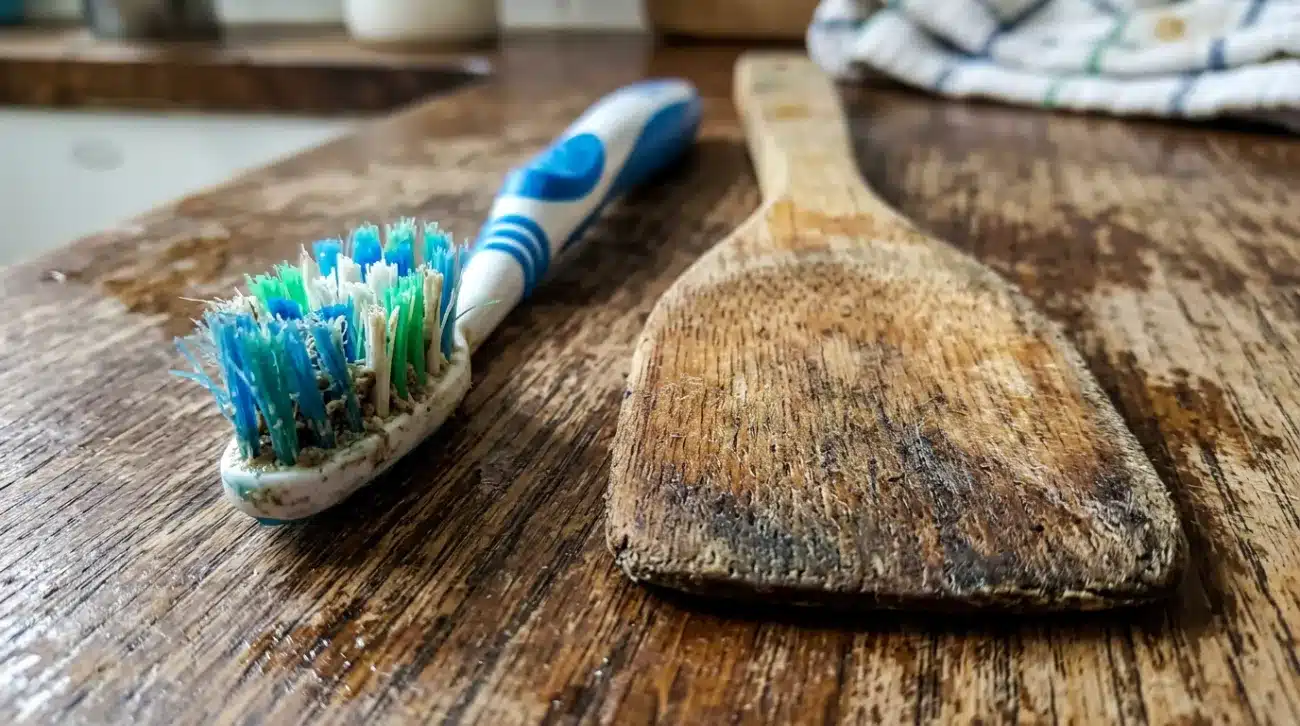
Dental professionals consistently recommend replacing toothbrushes every three to four months, or sooner if the bristles become frayed or splayed. Beyond the obvious issue of worn bristles being less effective at cleaning teeth, toothbrushes can harbor significant bacterial growth over time, particularly when stored in humid bathroom environments. Electric toothbrush heads follow the same replacement timeline and should be changed with similar frequency to maintain optimal oral hygiene.
In the kitchen, cutting boards, particularly those made of plastic, develop grooves and scratches over time that can harbor bacteria even after thorough cleaning. While wooden cutting boards can often be refinished by sanding, plastic boards should be replaced when deep scratches become visible. Kitchen sponges represent one of the most bacteria-laden items in the typical home and should be replaced every one to two weeks, or more frequently if they develop an odor. Dish brushes with replaceable heads offer a more hygienic and environmentally friendly alternative to traditional sponges.
Key Takeaway
Creating a simple household inventory with purchase dates and expected replacement timelines can help you stay on top of these often-overlooked expiration dates. Set annual reminders to audit safety equipment, personal care products, and other items with hidden shelf lives.
Maintaining a Safer and More Efficient Living Space

Awareness of the hidden expiration dates throughout your home represents a simple yet meaningful step toward maintaining a safer, healthier living environment. While it may seem overwhelming to track the lifespan of so many different items, developing a systematic approach to household maintenance pays dividends in both safety and peace of mind. By periodically auditing your smoke detectors, personal care products, cleaning supplies, and other commonly overlooked items, you ensure that the products you rely on daily continue to perform as intended. The investment of time and attention to these details ultimately protects your family, preserves your health, and helps you get the most value from every purchase you bring into your home.


